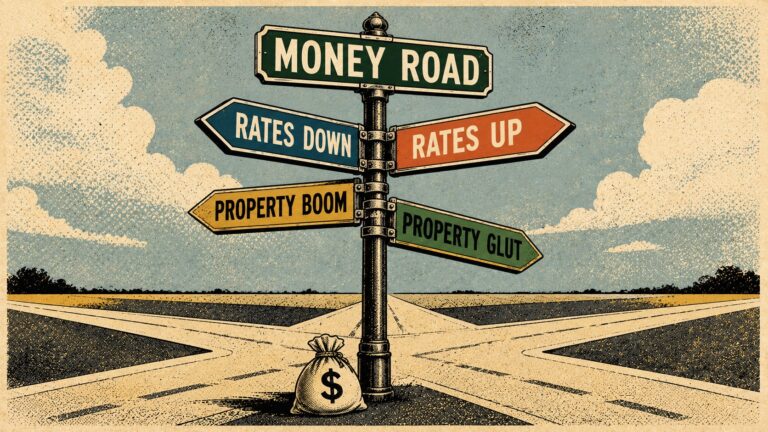

The RBA’s wild card
The Big Four have been polishing their “unanimous rate hike” take and most of us are now convinced there will be an increase in the cash rate. However, according to the scribes at Yahoo Finance, there’s a wild card in play — softer inflation momentum, mixed domestic data, and the ever-present fear of overtightening could derail the banks’ groupthink.
While banks project confidence, the central bank’s messaging remains deliberately non-committal. Translation: stop pretending this is settled. Monetary policy isn’t a spreadsheet exercise; it’s a judgment call made by humans who’d rather be late than reckless — even if it makes economists twitch.
Over at The Guardian, the Australia Institute’s chief economist, Greg Jericho, writes that “the easy thing for the RBA to do is raise rates, point to the overall inflation figures and hope no one looks any further. The smart move is to look closer and wait”.
Pre-emptive strike
CommBank’s Bankwest and NAB’s Ubank didn’t wait for the RBA to clear its throat. They moved mortgage rates anyway. According to YourMortgage, lenders are nudging rates higher ahead of the decision. This is less about funding costs and more about muscle memory. When in doubt, lenders reprice. Borrowers get the message early: whatever the RBA does, you’re paying more.
Temporary ceasefire
Mortgage stress has reportedly hit a three-year low, Cue relief? Not quite. The same analysis warns that rate hikes forecast for 2026 could undo those gains with unsettling speed.
In other words, stress didn’t disappear — it went dormant. Households adjusted, but resilience isn’t immunity. If rates climb again, this fragile calm could snap, and lenders may rediscover why arrears statistics exist.
The million dollar club (no champagne)
A growing number of Australian households now carry more than $1 million in debt, according to Realestate.com.au. This isn’t a badge of wealth — it’s a side effect of house prices colliding with leverage.
Property didn’t just get expensive; it rewired household balance sheets. Big mortgages are now normalised, even celebrated. The risk isn’t that people borrowed — it’s that they had to, just to stand still.
Longer loans, longer leashes
BrokerDaily reports brokers are increasingly steering borrowers toward longer-term loan structures. Lower repayments today, higher interest tomorrow — the classic trade-off.
This is affordability theatre. Stretch the loan, soften the pain, defer the reckoning. It works — until it doesn’t. Longer loans keep people housed, but they also lock borrowers into decades of exposure to rate cycles they can’t control.
Community accord
Community-owned banks, Family First and Beyond have secured overwhelming member approval to merge. The pitch is familiar: better tech, broader services, stronger balance sheets. The subtext is survival. In a banking system dominated by giants, standing still is a slow-motion exit strategy.
Wisr’s growth spurt
Wisr reports that its loan book surged again, driven by accelerating quarterly growth, Demand for personal credit remains stubbornly strong.
This isn’t irrational exuberance — it’s necessity borrowing. Cost pressures don’t wait for wages to catch up. Fintech lenders thrive in the gap between rising expenses and stagnant incomes.
Buying assets, burning cash
Dynamic Business reports that asset finance has surged 41%, even as SME working capital enquiries turned negative. Businesses are investing — but liquidity is tight.
Equipment upgrades happen even when cash buffers shrink. SMEs are moving forward, but cautiously — one invoice delay away from stress.
Summary
Australia’s financial system is creaking. Rates might pause, debt keeps growing, lenders stay nimble, and households hold their breath. The system still works. It just works harder than it used to.