The backpedal begins
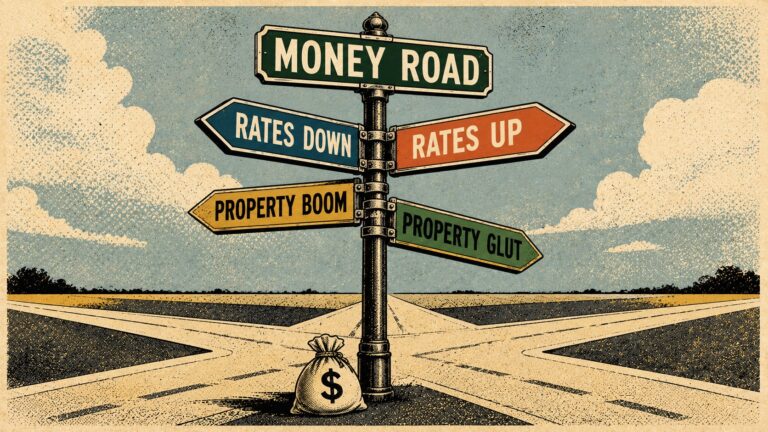
The RBA has raised rates again, which in central-bank speak means: “We tried vibes, now we’re trying pain.” After last year’s ill-timed pivot to easier policy, inflation refused to lie down quietly. Prices stayed sticky, demand stayed stubborn, and the Bank has now yanked the wheel back in the other direction. The cash rate is up, credibility is… under review.
This wasn’t a bold move so much as a corrective one. The RBA is effectively admitting its earlier “soft landing” experiment didn’t work. Inflation remains above target, and the Bank is now playing catch-up — the least dignified phase of any economic cycle.
Policy punching bags
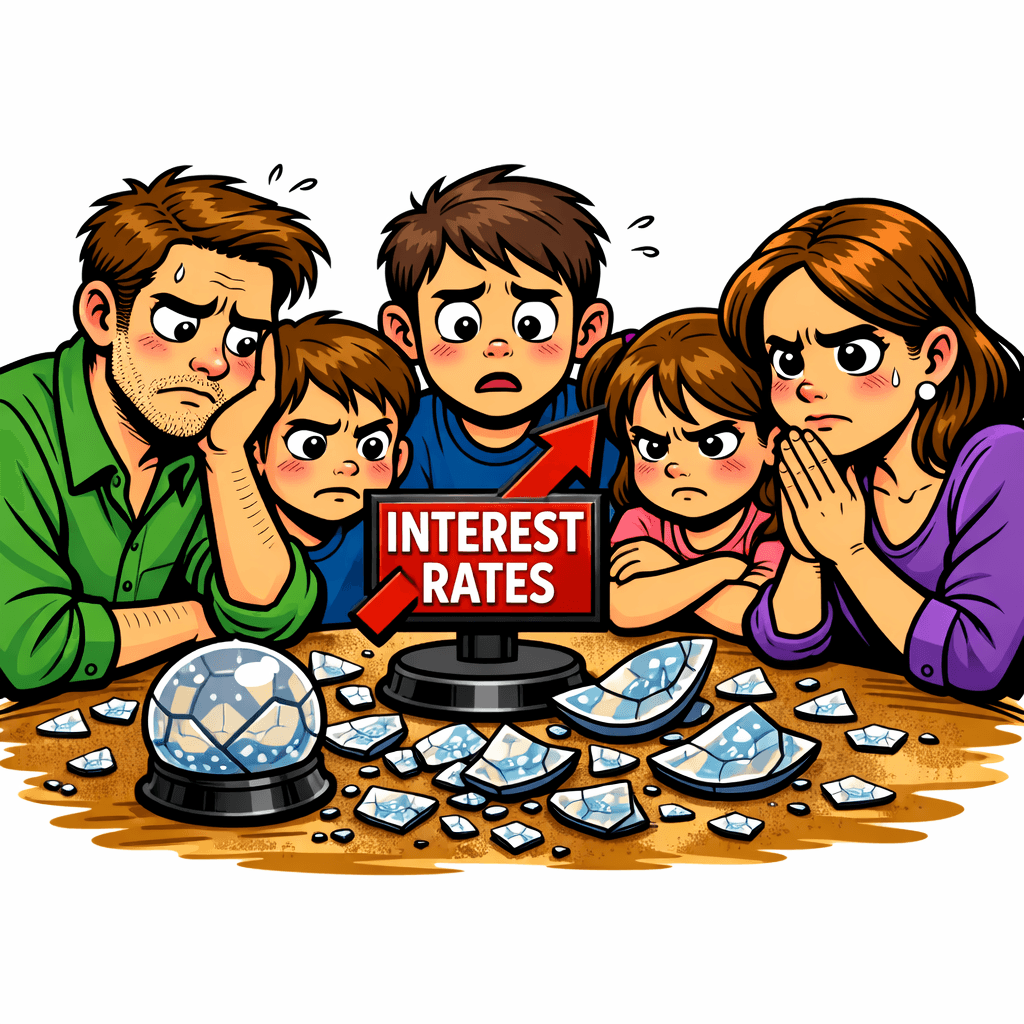
Mortgage holders, naturally, are the designated shock absorbers. Higher repayments are landing immediately, shaving hundreds off monthly household budgets. This is the RBA’s preferred transmission mechanism: hit consumption until it stops moving. Elegant? No. Effective? Eventually. Painless? Absolutely not.
And Australia now looks awkwardly out of step. While other major economies are talking about cuts or long pauses, the RBA is tightening. That doesn’t make it brave — it makes it late. Markets see that too, which is why expectations are jittery and confidence remains thin.
Poor behaviour
The banks, meanwhile, have performed exactly as expected. ME Bank managed to say it was “pleased” to raise rates — a sentence that will be studied in future communications courses under What Not To Do. Others are dangling cashback offers to soothe borrowers, a tactic best described as “here’s $2,000, now enjoy decades of higher interest”.
None of this changes the underlying reality. Rates are higher, margins are protected, and the cost of capital is rising — with a smile, apparently.
Market shrug, business squeeze
On the market side, the reaction was muted. The dollar lifted, equities shrugged, and investors moved on. No one was shocked. This wasn’t a surprise hike — it was an inevitability finally acknowledged.
Business borrowers aren’t escaping either. Major banks have moved to lift business loan rates, tightening conditions for SMEs already juggling costs, wages and soft demand. Yes, alternative lenders are still growing. No, that doesn’t make money cheaper.
Summary
In short, this is what policy regret looks like. The RBA eased too early, inflation lingered, and now the bill is being paid — by households, by businesses, and by anyone who believed the hard part was over.
It wasn’t. It still isn’t.