Business Confidence Goes Missing
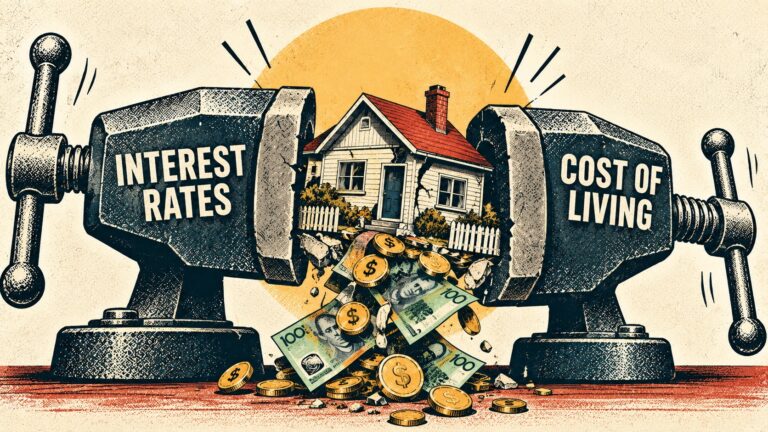
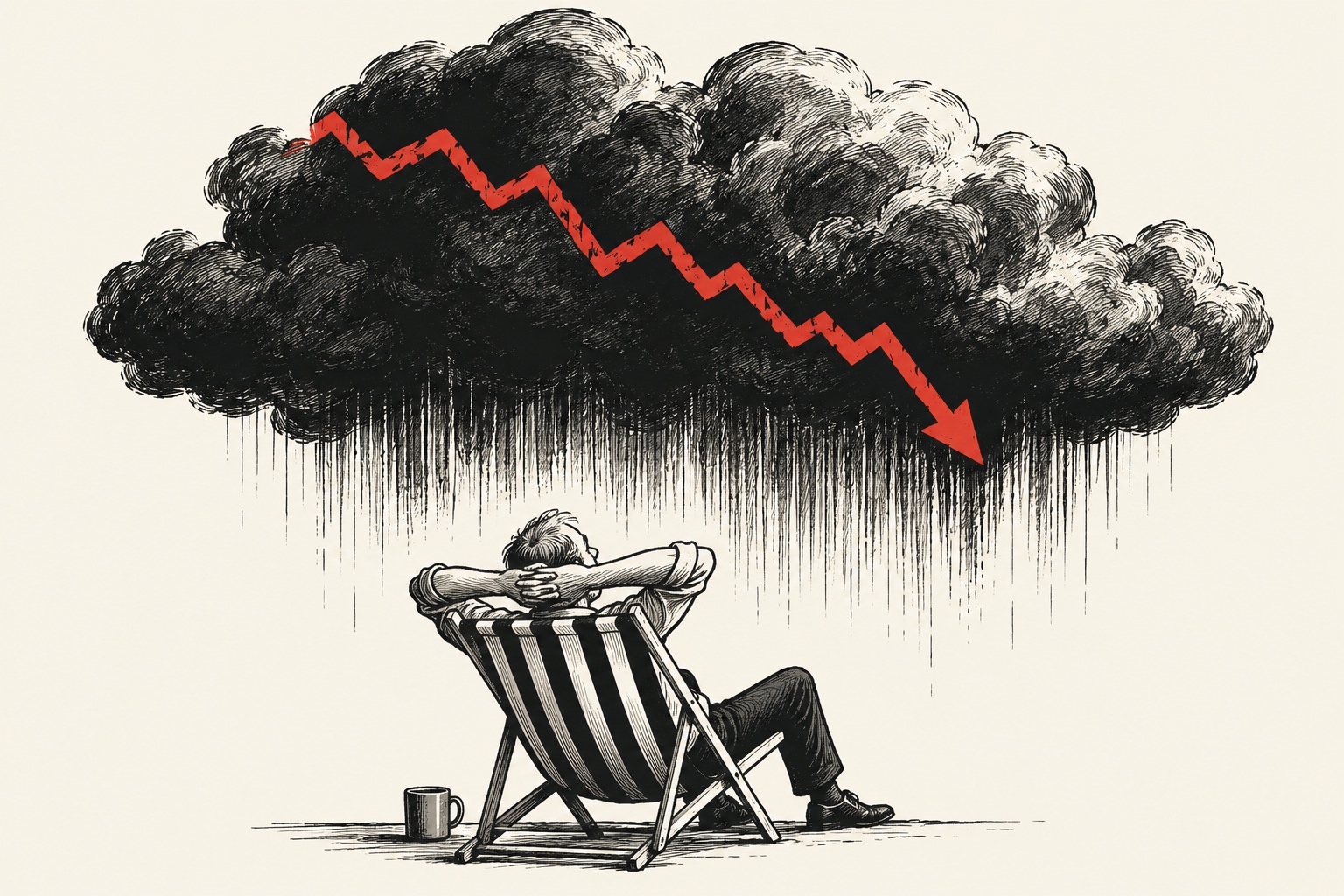
Business owners aren’t known for their optimism when the bill arrives, but the latest numbers suggest their mood has settled into a semi-permanent gloom their confidence deteriorating under the weight of higher rates, global uncertainty and high fuel costs.
NAB’s September business survey recorded a four-point fall in confidence to minus 13, the third consecutive monthly decline. The reading is 18 points below the long-run average and sits in the bottom 5% of the survey’s historical results.
On top of that, seasonally adjusted unemployment in September rose to 4.7%, reportedly the highest since the Covid-19 pandemic. Depending on which economist you listen to this may encourage the Reserve Bank to hold further rate cuts, or may not, but the figures create an uncomfortable picture for businesses deciding whether to hire, fire, invest or sit on their hands.
Want More Homes? Stop Making Them Harder To Build
The gloom has certainly settled over the housing industry. Amid a dire housing shortage, the industry has become deeply pessimistic about whether the economics of building those homes still work.
The latest Procore/Property Council industry survey put national property sentiment at 85 index points in the September quarter, its lowest level since September 2020.
At state level, 42 per cent of respondents identified property taxes and charges as the issue most urgently requiring government attention. The Property Council says government taxes and charges can account for up to 40 per cent of the cost of a new home.
More than 60 per centof small and medium property developers surveyed expect proposed tax changes to affect the timing or viability of projects. The concerns extend beyond taxation. Developers are worried about construction and finance costs, access to debt and economic uncertainty.
Brokers Hog The Road
Mortgage brokers have now become the main road into the home loan market. The latest June 2026 figures put their share of new and refinanced loans at a record 81.6% up from 50.1 per cent ten years ago.
There are good reasons for their popularity: home loans are complicated, bank branches have disappeared, the broker industry is now highly regulated and borrowers want help navigating a market in which the wrong decision can hang around for decades.
Asic’s Paper Trail
Brokers may currently be the preferred option for borrowers, but the watchdog ASIC has delivered a timely reminder of their legal obligation to act in a customer’s best interests and, equally as important, demonstrate they have done so.
ASIC offered the “guidance” after an industry review that revealed a concerning number of brokers need to lift their paperwork game.
For example, when brokers recommend a loan they must explain to borrowers in writing why that loan was chosen over another, which might be cheaper. The review found that some brokers struggled to justify their recommendations adequately, particularly where the cost difference was substantial.
Of equal concern was the way some complaints have been handled. ASIC identified a number missed, withdrawn without being fully investigated or delayed.
To be fair, the review did not expose an industry-wide scandal. It pointed to weaknesses in systems designed to protect customers, including shortcomings that should have been addressed already. The industry has “welcomed” the report and said it will make improvements. The real question is whether ASIC’s intervention improves the advice or merely increases the amount of paperwork used to defend it.
Your Bank is Going Digital. Your Branch is Going Missing
More evidence of continuing bank and ATM closures emerged this week with APRA data showing that in 2025-2026 a further 97 branches were shuttered taking total closures in the past five years to 1,215. Bank-owned ATMs are also disappearing down 184 this past year taking the total removed in the past five years to 2,798.
Digital banking suits many customers, but it doesn’t suit those older Australians who need cash, face-to-face help, or someone to sort out a problem that doesn’t fit neatly into an app.
The A.I. Money Go Round
A read-worthy piece in The Conversation highlights the dangers of circular funding, a type of financial alchemy being used by large companies, particularly in the tech world, to support their development and growth.
Case in point: Australian data centre developer Firmus plans to use Nvidia technology. Nvidia has invested in Firmus. Nvidia is also a customer in a deal worth US$30 billion over six years.
That raises a question for investors, including super funds exposed to the AI boom, how much of the company’s growth comes from paying customers, and how much comes from companies financing one another?
Stay Sceptical. Question Everything. Ignore the marketing department.