Fifth Time Unlucky
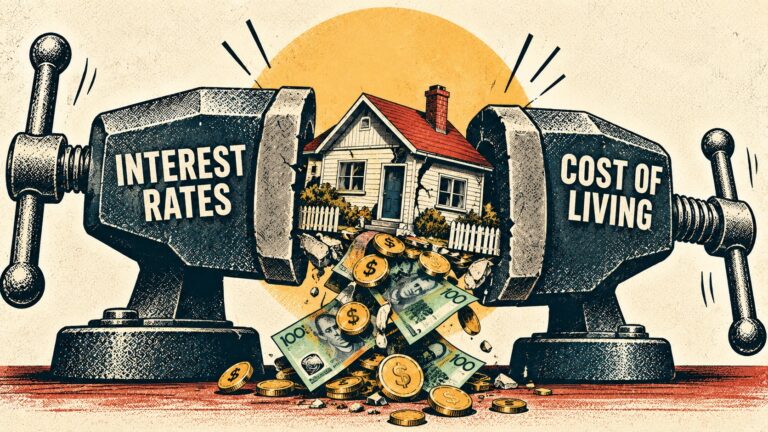
The cash rate is 4.60 per cent after four hikes this year, the highest in almost 15 years, and markets now think number five is likely next week as the war against inflation stalls. The September inflation figures have come in at 4.3 per cent, up from 4.0 per cent in August, with underlying at 3.7 per cent.
The RBA’s message to the sceptics is that “higher interest rates will work”. Deputy Governor Hauser’s real worry is businesses losing faith in the inflation target, which he calls the “central banker’s nightmare”.
Everyone obsesses over mortgage repayments, but RBA research says the impact of higher home loan rates plays a relatively small role in reducing inflation. It’s the exchange rate that does the heavy lifting. Since this most recent cycle of rate hikes started, the Australian dollar has appreciated against many other currencies and a stronger dollar makes imports (including petrol) less expensive, directly lowering prices. For an easy-to-understand academic’s view of how the RBA’s strategy is designed to work here’s a link”: The Conversation, how the RBA spreads the pain
Savers Get Their Day in the Sun
Bank Australia, Qudos and Community First are all paying 5.60 per cent on 12-month term deposits, so it’s a three-way tie. Heartland and AMP are loitering at 5.5 per cent. The twist is that a humble savings account can still beat the lot. ING’s Savings Booster pays 5.65 per cent ongoing albeit with some stern conditions attached. Failing to observe them could mean your high rate turns into a mirage. Read the fine print.
This will undoubtedly surprise no one: Research commissioned by ING finds Australians prefer savings accounts (35 per cent) to term deposits (30 per cent). Shock! Read more at: Savings.com.au, three-way tie at the top
Mum and Dad Read the Fine Print
The Bank of Mum and Dad is roughly the fifth-largest lender in the country, kicking in about $35 billion a year, just behind the big four. An ANZ predicted 10 per cent fall in property prices could leave BoMaD underwater, or at least, treading furiously.
Modelling by the folks at www.homeloanrates.com.au says those who guaranteed 10 per cent of a $799,000 loan could end up on the hook for a lot longer before their guarantee is released – from seven to 11 years.
For a typical first-home buyer with a 5% deposit, a 10 per cent fall means about $32,000 of negative equity. If it all goes pear-shaped, guarantors face an estimated $49,000 shortfall, secured against their own homes.
Unlike the banks, BoMaD has no credit committee, no serviceability calculator and no APRA. Just love and a second mortgage.
The Low-Doc Squeeze
Overall, non-performing loans are steady at 1.0 percent. The shakiest of them are the low-docs showing arrears of 4.9 per cent held by banks, up from 4.2 per cent a year ago.
Before anyone panics, low-docs comprise just 0.1 per cent of bank mortgages 90 or more days behind, so the shrinking denominator exaggerates the move. S&P’s Erin Kitson says it isn’t systemic. But these borrowers are mostly self-employed, already paying a premium (Canstar found one non-bank lender at 7% to 12.29%), and their cash flow takes the hit first.
Low doc borrowers aren’t riskier people, their income just doesn’t fit the PAYG mould. Kitson adds that arrears are one of the last places pain shows up, and the lag from the rate rises hasn’t fully landed yet. Consider that a polite warning.
Complaints For Hire
The annual review of the Australian Financial Complaints Authority (AFCA) has reported a record 119,949 complaints.
Surprisingly, perhaps, is that an increasing number of complaints were lodged by paid representatives of unhappy customers. There was a 201 per cent jump in home loan complaints from the fee charging crowd. Credit card complaints lodged by them rose 140 per cent and personal loans 70 percent.
The irony is thatAFCA is free. Customers can lodge a complaint themselves, online or by phone, without handing anyone a slice of the refund. Yet a cottage industry is happy to do it for a cut. These firms did very nicely out of consumer credit insurance complaints, which ballooned from 704 to 7,188 in three years before falling back to 2,468. When returns from that well ran low they went looking for the next one. So, overall this isn’t growth, it’s more like migration. Home loan complaints have become the new paddock.
Mutuals Have A Good Year
While much of the industry moans about a drop-off in home loan applications, NGM Group (Greater Bank and Newcastle Permanent) is popping corks to celebrate a 9.56 per cent growth in its mortgage book to $19.7bn).
The secret to its success isn’t much of a secret. NGM has a digital home loan that promises a 15-minute application, a long list of brokers and a funding position that lets it keep lending when others are rationing. Quick, convenient and well funded. Radical stuff. Caveat: the financial year ended 30 June, so most of the post-Budget investor slump isn’t in these numbers yet, and a book that grew over twelve months isn’t the same as applications today.
The Fine Print
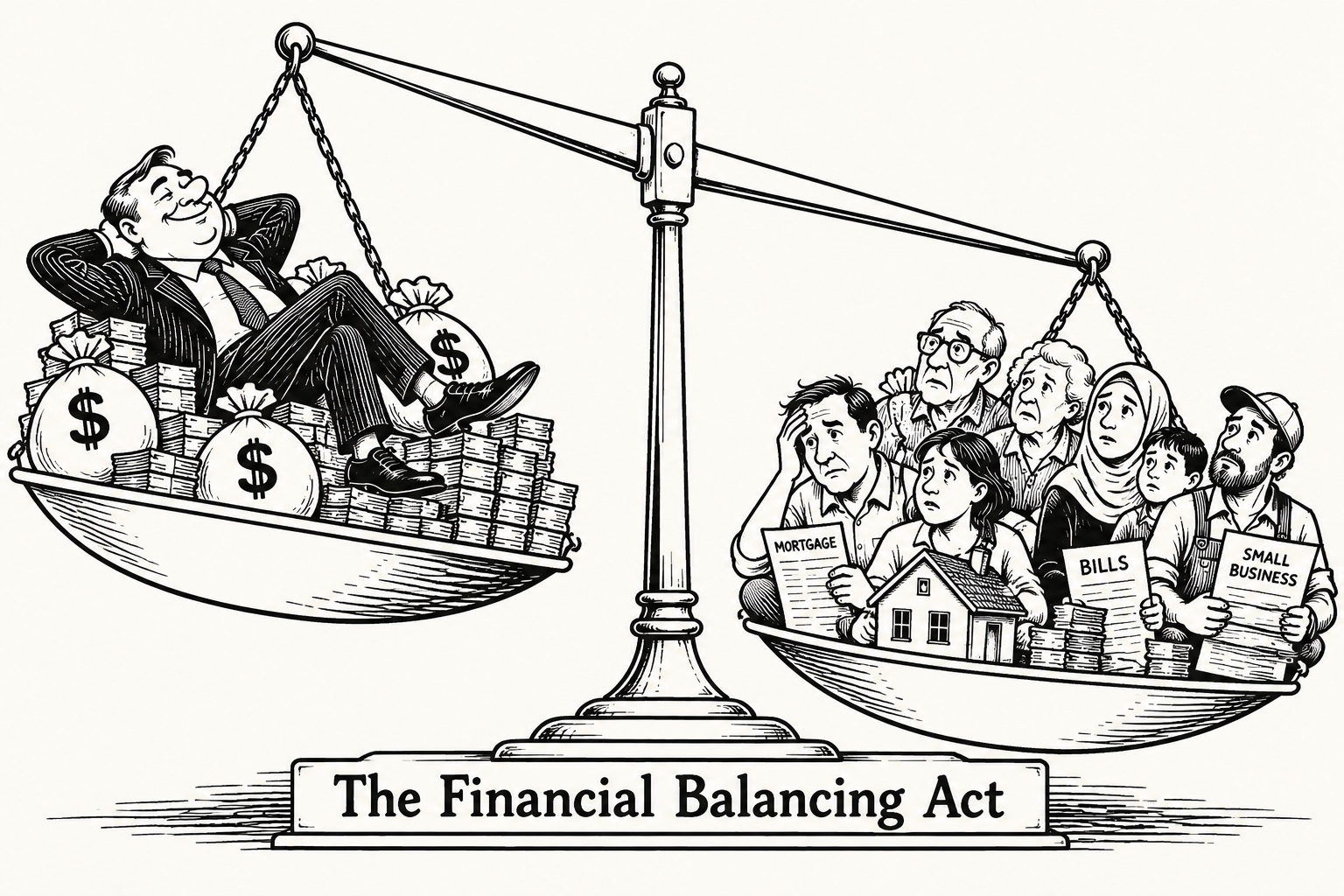
We keep telling consumers to read the fine print. It’s good advice, but increasingly resembles telling someone to read the instructions after the dishwasher has flooded the kitchen. The attractive savings rate comes with conditions, the family guarantee comes with risks, the low-doc loan comes with a premium and the free complaints service has spawned a cottage industry of people charging to use it.
Somewhere in all this, financial services became an exercise in negotiating obstacles rather than just getting a good deal. Still, the marketing departments are doing well. They always do.
Stay Sceptical. Question Everything. Ignore the marketing department.